


Affordable
Among the lowest-cost master's degrees in social science education in the U.S.

High quality
Our graduate programs are nationally ranked for excellence.

Flexible
100% online. Eight- and 16-week terms available.

Attainable
No entrance exams. Complete in as little as two years or up to 10 years.
Approved by the NDE
Wayne State's educator preparation programs are approved by the Nebraska Department of Education.
Top Curriculum and Instruction Master's Programs
Wayne State was named among the nation’s top 50 by Course Advisor for 2026 based on student outcomes, affordability, and program quality.
Most Affordable Online Master's Degrees
Wayne State College was ranked No. 3 nationally by EDsmart for offering some of the most affordable online master’s degree programs in the U.S. for 2026.
Best Graduate Schools 2026
Wayne State College was recognized by Abound as one of the Best Graduate Schools for 2026 for accessible, affordable, flexible graduate programs designed to support student success and career advancement.
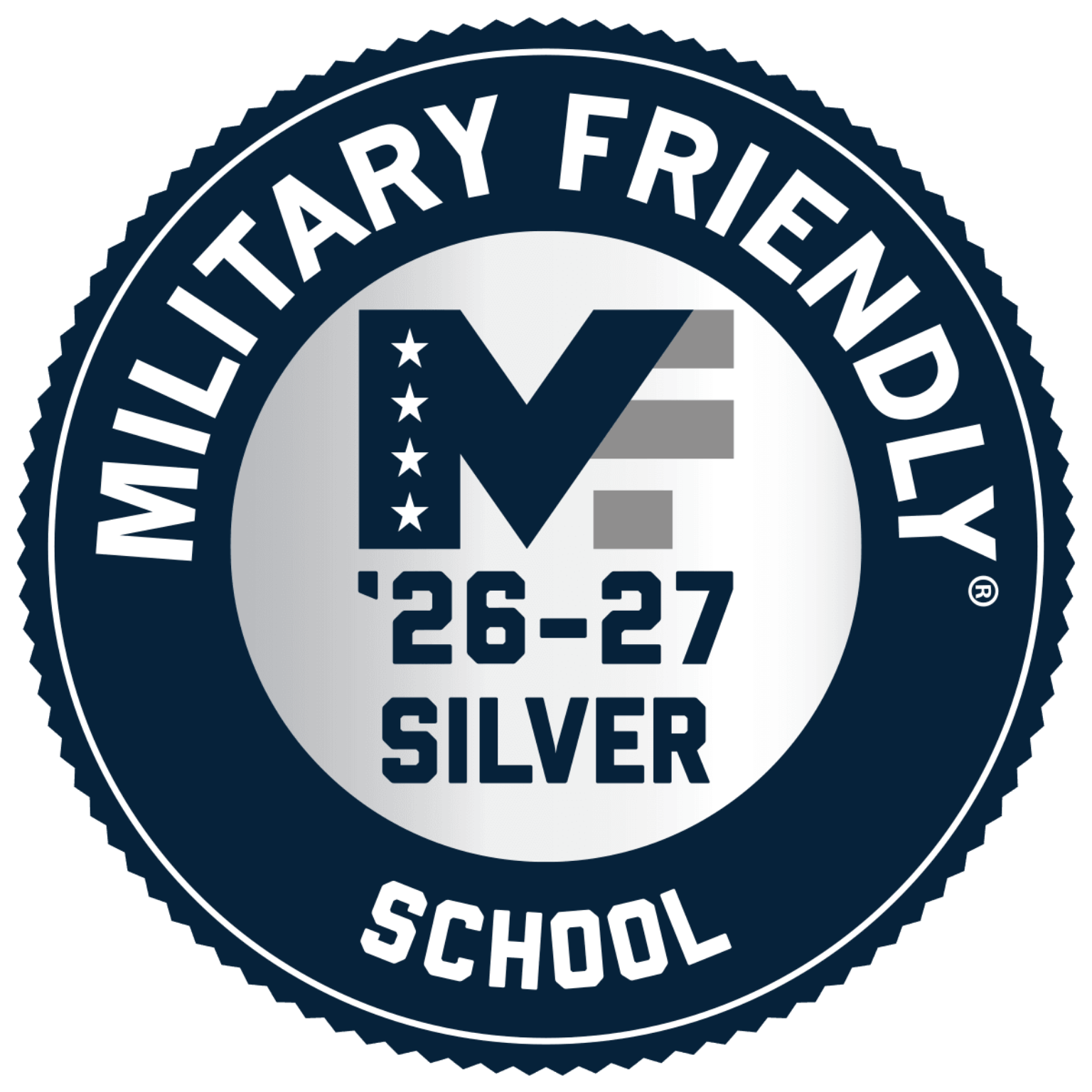
A Military Friendly® School
Wayne State College is proud to be recognized as a Military Friendly® School for its commitment to supporting veterans, active-duty service members, and military families. For 2026–2027, WSC earned the Silver Award, placing it among top-performing colleges nationwide.
Clubs and organizations for Social Sciences Education master's degree students
Alpha Kappa Delta - A sociology honor society
Gamma Theta Upsilon - International geographical honor society
Phi Alpha Theta - An honor society for students and professors of history
Pi Gamma Mu - An honor society that recognizes excellence in the social and behavioral sciences

Education Department faculty
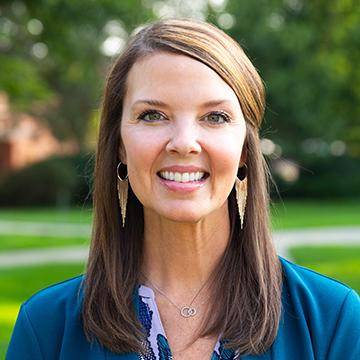
Abbie Baack, MSE
Assistant Professor
Abbie Baack teaches education courses at Wayne State College. She serves as the advisor for the NSEA Aspiring Educators group.
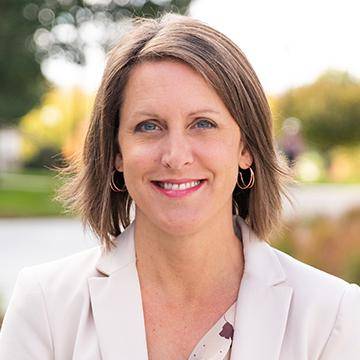
Dr. Johanna Barnes is an education professor at Wayne State College. She facilitates undergraduate and graduate courses in both in-person and online formats. Her teaching interests include effective practices in elementary mathematics, elementary methods, and instructional design.

Jean Dorcey, MSE
Assistant Professor
Jean Dorcey teaches special education courses at Wayne State College.

Dr. Carol Erwin is a family and consumer sciences professor at Wayne State College. Erwin's teaching interests include online teaching and learning, nutrition and foods classes in FCS, and working with FCS teacher education students.

Carolyn Glackin, Ed.D.
Associate Professor
Dr. Carolyn Glackin is an education professor at Wayne State College.

Dr. Joni Irlmeier is an education professor at Wayne State College. Her teaching interests include literacy in K-8 school systems, as well as professional communication.

Christian Legler, Ph.D.
Associate Dean and Coordinator for the MSE/MAT programs
Dr. Christian Legler is currently serving as Special Projects Manager and coordinator for the MSE Special Education graduate program, and the Master of Arts in Teaching program.
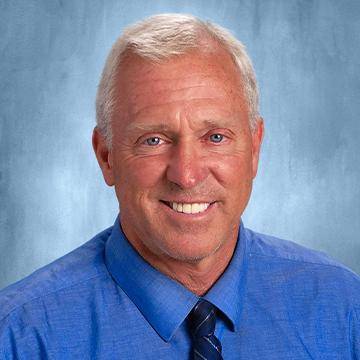
Kevin Lein, Ed.D.
Associate Professor
Dr. Kevin Lein is an education professor at Wayne State College. His experience includes 15 years as a K-12 administrator and coach at every level and function; 25 years serving in higher education as an instructor, coach, and administrator; six years as a K-12 teacher; and various levels of involvement in educational government and leadership, including school board member.

Lucas Munter, MSE
Assistant Professor
Lucas Munter is an education instructor at Wayne State College, teaching undergraduate level courses focusing on special educational needs (SENs).

Kristina Nelsen, Ph.D.
Associate Professor
Dr. Kristina Nelsen is an education professor at Wayne State College. She teaches undergrraduate and graduate special education courses.

Jenny Piening, DOT
Assistant Professor
Dr. Jenny Piening teaches in the School Administration graduate program.

Leigh Scruggs, Ph.D.
Associate Professor
Dr. Leigh Scruggs is an education professor at Wayne State College. She teaches undergraduate and graduate level courses focusing on special educational needs (SENs) in person and online.

Michael Sieh, Ed.D.
Assistant Professor and Coordinator for the School Administration MSE and Ed.S. programs
Dr. Michael Sieh is a graduate education professor at Wayne State College and oversees the School Administration and Education Specialit (Ed.S.) programs at Wayne State College.

Kim Snyder, Ed.D.
Assistant Professor
Dr. Kim Snyder is an education professor at Wayne State College, where she also serves as chair of the Department of Educational Foundations and Leadership.

Ben Vilkas, Ed.D.
Associate Professor
Dr. Ben Vilkas is an education professor at Wayne State College, teaching courses focused on strategies for teaching English learners as well as courses on curriculum, assessment, and best instructional practices in the elementary school classroom setting.
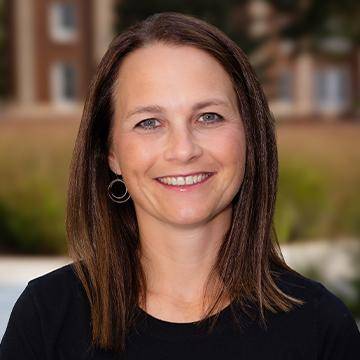
Dr. Sara Walsh is an education professor at Wayne State College. She has implemented the co-teaching during clinical practice model, serves as the contact for this program, and leads the training workshops.
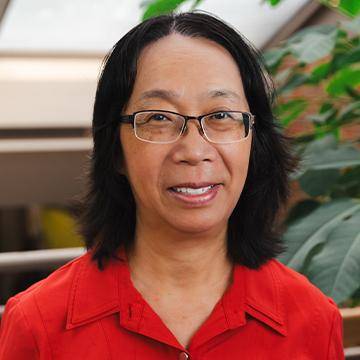
Linda Zhang, Ed.D.
Assistant Professor