
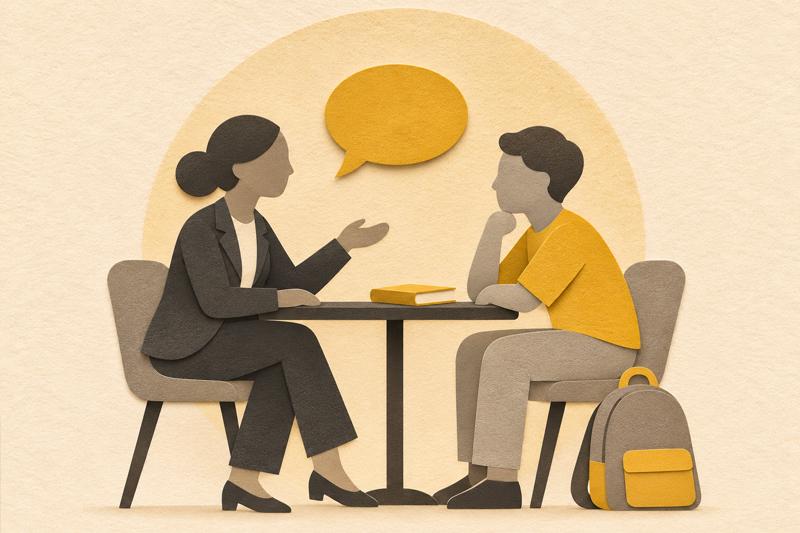
Higher education experience isn’t always required for a student affairs master’s. Learn how transferable skills can strengthen your application and prepare you for student support roles.
College can be one of the most transformative times in a person's life, and students who are transitioning to life on campus need support that extends beyond instruction alone. Student affairs professionals help develop structured services and programs outside the classroom to provide students with holistic support during this pivotal period. While services vary among different colleges and universities, they usually encompass residential housing, academic advising, career support, student activities, and financial aid guidance.
A student affairs master's degree prepares you for these specialized higher education careers. Before you enroll in this graduate program, you should evaluate the scope of the curriculum and its prerequisites.
Do You Need Higher Education Experience Before Starting a Student Affairs Master’s?
Prior experience at a college or university may be helpful when applying to a student affairs master's degree program, but it’s usually not essential. Graduate admissions teams typically review the full application and may value transferable experience involving communication, leadership, service, and support for others.
What Is a Student Affairs Master’s Degree?
A student affairs master's degree explores critical issues in higher education, such as the impact of organizational leadership and the role of student support services. It prepares graduates for higher education careers in admissions counseling, academic advising, residence hall management, and student activities coordination.
What Students Typically Study
Coursework for this type of program usually centers on student services, career counseling strategies, ethical considerations in student affairs, emerging trends in higher education, and evidence-based decision-making. Students may also examine how institutions develop policies and programs in response to student needs.
How Graduate Study Prepares Students for Higher Education Careers
Through graduate study, students gain specialized knowledge for student affairs careers while building leadership skills for positions with broader organizational responsibilities. Applied assignments can help them connect course concepts to situations they may encounter on a college campus.
What Experience Do Student Affairs Programs Look For?
Prospective students applying to the student affairs master's program generally need a bachelor's degree and a cumulative GPA of 2.75 or higher. Depending on an applicant’s undergraduate preparation, an advisor or department chair may require certain undergraduate courses.
H3: Direct Experience With Students
A role involving direct interaction with students can strengthen your graduate program application by demonstrating familiarity with students' needs and perspectives. Relevant experience may come from employment, internships, volunteer work, or campus involvement.
H3: Leadership and Mentoring Experience
Leadership experience gained through campus activities or community service can demonstrate the organizational, communication, and interpersonal skills needed for student affairs roles. Mentoring experience may also show that you can guide others while responding to their individual goals and concerns.
H3: Communication and Relationship-Building Skills
Core competencies, such as professional communication, relationship building, and problem-solving, are important in student affairs. Examples of how you listened to others or handled a challenge can help make these skills clear in an application.
H3: Evidence of Interest in Student Development
A genuine interest in the development of college students can show admissions teams why you want to enter student affairs. Applicants can demonstrate this interest through relevant work, volunteer experiences, or a clear explanation of their career goals.
Does Academic Advising Experience Give You an Advantage?
A background in academic advising can be beneficial when applying to a student affairs graduate program, as it showcases familiarity with student needs and higher education processes.
Skills That Transfer From Academic Advising
Applicable skills gained during your role as an academic advisor include:
- Communication and active listening
- Interpersonal skills and cultural competence
- Organizational understanding
- Project management
What Prospective Students Can Learn From Advising Roles
Academic advising can provide insight into university processes and student development, which may be useful during a student affairs master's program. With this background, you may be able to connect new concepts and leadership theories to situations you have already encountered.
Can Customer Service Experience Prepare You for Student Affairs?
Customer service experience can provide a useful foundation for roles in student affairs.
Communicating With People With Different Needs
Customer-facing roles involve working with people who have different needs and expectations. These interactions can strengthen your communication skills and teach you to remain composed while helping someone navigate a problem.
Resolving Problems and Navigating Difficult Conversations
Problem-solving anchors the customer service sector. Experience handling difficult conversations can prepare you to listen carefully, explain options, and respond professionally in student-facing higher education roles.
Managing Multiple Priorities in Service-Oriented Environments
Balancing customer needs with organizational priorities can build time-management and decision-making skills. These abilities can also help you manage coursework, projects, and competing responsibilities in a graduate program.
Is Residence Life Experience Helpful for Graduate Admissions?
Residential housing is a major component of student affairs, so experience in this area can be particularly valuable.
Resident Assistant and Community Leadership Experience
Resident assistant and community leadership roles can provide a useful perspective on the student experience outside the classroom. They may also expose you to campus policies, peer support, and the day-to-day needs of a residential community.
Conflict Resolution and Crisis Response
During the admissions process, candidates with campus housing and leadership experience may be especially valued. This experience demonstrates that they have the conflict resolution and crisis response skills needed in student affairs.
Programming and Community Engagement
Experience with student programming can show that you understand how events and activities contribute to campus engagement. It may also give you examples of planning, promotion, collaboration, and assessment to discuss during graduate study.
Can Coaching Experience Translate Into Higher Education Careers?
Coaching experience can translate well into higher education careers because it involves building relationships and helping others work toward their goals.
Motivation and Goal Setting
Student affairs professionals often help students set goals and take greater responsibility as they gain independence on campus. Coaching experience can demonstrate your ability to encourage progress while providing structure and support.
Team Leadership and Relationship Building
Coaching experience can demonstrate the collaboration skills needed to work with people who have different roles and perspectives. Coaches also learn how to set expectations, give feedback, and adjust their approach based on individual and team needs.
Supporting Personal and Academic Development
Student affairs professionals support students' personal, academic, and career development. Like coaches, they rely on holistic approaches and promote resilience and flexibility among students.
How Does Nonprofit Experience Apply to Student Affairs?
The skills developed through nonprofit work include relationship management, strategic communication, and emotional intelligence, all of which are relevant in student affairs.
Working With Diverse Communities
Nonprofit organizations serve people with a wide range of backgrounds and needs. This experience can help you communicate respectfully and adapt your approach when working with diverse campus communities.
Program Coordination and Outreach
Playing central roles in nonprofit work, program coordination and outreach are very relevant to student affairs. In both settings, professionals may develop useful programs and make sure the intended audience knows how to access them.
Advocacy and Resource Navigation
In student affairs, professionals often connect students with programs and resources that address specific needs. Nonprofit work can provide similar experience with referrals, advocacy, and helping people navigate available services.
What Other People-Centered Roles Can Prepare You for Student Affairs?
Several people-centered professional backgrounds may prepare you to apply to a student affairs master's program:
Human Resources and Employee Development
Sometimes referred to as the “people business,” human resources centers on facilitating the employee life cycle. Experience with onboarding, training, workplace policies, or employee development can provide a foundation for student affairs work.
Youth Programs and Community Organizations
Experience working with young people or community organizations can provide direct insight into education and development. It may also help you learn how to communicate with families, coordinate services, and create inclusive programs.
Hospitality and Client Services
Hospitality work can build customer service skills that apply to student-facing roles. It also requires professionals to anticipate needs and respond calmly when expectations are not met.
Tutoring and Educational Support
Tutoring provides experience supporting learners and responding to different academic needs. In addition, it can help you practice explaining information, monitoring progress, and adjusting your guidance when a student is struggling.
Volunteer and Community Leadership
Volunteering and community leadership can build transferable skills such as communication, collaboration, and problem-solving. Taking responsibility for a project or group also gives you a concrete example of leadership.
Transferable Skills That Matter in Student Affairs
Student affairs professionals should have a combined set of administrative and interpersonal abilities, and many of these skills can be developed across multiple sectors. These are the skills that tend to matter most in student affairs:
Communication and Active Listening
Communication and active listening help student affairs professionals understand concerns, explain policies, and develop useful programming. These skills are especially important when a student needs support but may not know which questions to ask.
Organization and Time Management
Student affairs professionals often juggle appointments, events, documentation, and unexpected student needs. Strong organization and time management help them keep these responsibilities moving without losing track of important details.
Conflict Resolution
Whether navigating interdepartmental challenges or assisting students who are having a dispute, conflict resolution can play a primary role in student affairs. The goal is often to understand the perspectives involved and identify a workable next step.
Leadership and Collaboration
Colleges and universities value student affairs professionals who can lead initiatives and collaborate across departments. Effective collaboration also requires knowing when to seek input from colleagues with different expertise.
Cultural Awareness and Adaptability
Cultural awareness is essential on a college campus, where services should reflect the needs of a diverse student population. Adaptability helps professionals respond when established practices do not work equally well for every student.
How to Explain Transferable Experience in a Graduate Application
If your practical experience and professional background don’t explicitly outline your applicable soft skills, you can fine-tune your application to emphasize your assets.
Connect Your Experience to Student Affairs Responsibilities
Use a cover letter or admissions essay to connect your experience directly to student affairs responsibilities. By bridging the gap between your experience and the program, you can highlight your transferable skills.
Use Specific Examples of Supporting Others
Specific examples can showcase your ability to apply knowledge in real-world settings. For instance, consider describing a time you supported someone, addressed a problem, or helped a group reach a goal.
Explain Why You Want to Work in Higher Education
Explain why you want to work in student affairs and what interests you about supporting college students. A clear reason for pursuing the field will be more persuasive than a general statement about wanting to help others.
Show How Graduate Study Fits Your Career Goals
State how graduate study connects to your career goals and the knowledge you hope to develop. This explanation helps the admissions team understand why the program is a logical next step for you.
What If Your Undergraduate Degree Is Not in Education?
Student affairs master's program applicants may come from many undergraduate majors. Rather than focusing only on the title of your degree, emphasize the skills, experiences, and interests that connect your background to student support and higher education.
What Can Strengthen Your Application If You Have No Higher Education Experience?
Even without an education degree or higher education experience, you can build a strong application by clearly presenting your transferable skills and relevant interests.
Volunteer With Student or Youth Organizations
Volunteer work can demonstrate your commitment to serving a community. Seek out opportunities where you can connect with young people or college students.
Seek Mentoring or Advising Opportunities
Consider entry-level advising roles, mentoring programs, or other opportunities to guide students. These experiences can help you build practical skills and confirm your interest in student affairs.
Attend Higher Education Events or Professional Programs
Higher education conferences and training programs can support skill development while expanding your professional network. Choose events related to student support, campus programming, advising, or another area you may want to pursue.
Speak With Current Student Affairs Professionals
Request informational interviews with student affairs professionals in areas such as residential housing or career services. Ask about their day-to-day responsibilities and what they find rewarding about their careers.
Gain Experience Supporting Programs or Communities
Experience supporting programs or community services can help you build project-management skills. It can also teach you how to plan around participant needs and evaluate whether a program met its goals.
What Student Affairs Career Paths Could Your Existing Experience Support?
Student affairs includes several service areas, giving professionals opportunities to specialize based on their experience and interests. Some career paths you may consider include:
Academic Advising and Student Success
Academic advisors support student success through personalized counseling. They help students select a major and help ensure they remain on track throughout their degree program.
Residence Life and Campus Engagement
Residence life and campus engagement professionals help shape students' experiences. Not only do they help provide safe and secure housing, but they also foster community outside the classroom.
Career Services
Career services professionals help students explore options and prepare for employment. Their work may include reviewing resumes, hosting networking events, and connecting students with internships and other career-related experiences.
Admissions and Enrollment
Admissions and enrollment serve as an entry point to the broader field of student affairs. Through recruitment and retention, they work to cultivate an inclusive and diverse student body.
Student Support and Retention
Recognizing the varied needs of students on campus, student support specialists provide targeted assistance. They may connect students with academic, financial, personal, or campus resources based on the situation.
Turning Your Existing Experience Into a Path Toward Student Affairs
Whether you are building upon your background in higher education or pivoting your career, you can leverage your existing experience throughout your student affairs master's degree program.
At Wayne State College (WSC), the online Master of Science in Education (MSE) in Higher Education and Student Affairs features an evidence-based curriculum that integrates coursework, applied learning, and reflective practice to prepare graduates for higher education careers in student affairs. Throughout this program, students build the practical skills and foundational knowledge needed to promote student engagement.
Request more information about our online student affairs master's degree, or apply to WSC today.
Frequently Asked Questions About Entering a Student Affairs Master’s Program
Can I apply to a student affairs master’s program if I have never worked at a college?
Yes. Some applicants enter student affairs graduate programs without previous professional experience in higher education. Experience involving mentoring, customer service, leadership, education, coaching, community programs, or other people-centered work may still demonstrate relevant skills. Applicants should review individual program requirements and clearly explain how their background connects to their interest in student affairs.
Does being a resident assistant count as higher education experience?
It can be highly relevant. Resident assistants often gain experience with community building, conflict resolution, event programming, peer support, policy communication, and referrals to campus resources. Even though the role is typically held while completing an undergraduate degree, it can provide meaningful exposure to student affairs work and help applicants explain why they want to pursue the field.
Can retail or hospitality experience help with a student affairs application?
Yes. Retail and hospitality roles can develop communication, problem-solving, conflict-management, organization, and customer-service skills that may transfer to student-facing higher education positions. Applicants can strengthen their application by focusing on specific situations where they helped someone solve a problem, navigated a difficult interaction, or balanced competing priorities.
Is academic advising experience required to become an academic advisor?
Not necessarily. Entry expectations vary by institution and position. A student affairs master’s may help someone develop knowledge relevant to advising and student development, while experience in mentoring, education, coaching, customer service, or related environments can also provide transferable skills for future academic advising roles.
Should I mention unrelated work experience in my graduate admissions essay?
Yes, when you can make a meaningful connection between that experience and your goals. Instead of simply listing previous jobs, explain how they helped you develop skills such as communication, leadership, mentoring, problem-solving, organization, or supporting people through challenges.
Sources
- https://www.wsc.edu/higher-education-masters-degree
- https://www.wsc.edu/higher-education-masters-degree/higher-education-student-affairs-program-admission
- https://www.wsc.edu/graduate-admissions/request-graduate-program-information
- https://www.naspa.org/blog/pivoting-to-higher-education-utilizing-your-transferable-skills
- https://www.forbes.com/councils/forbesnonprofitcouncil/2025/04/14/18-skills-nonprofit-pros-should-develop-for-long-term-career-prospects/