
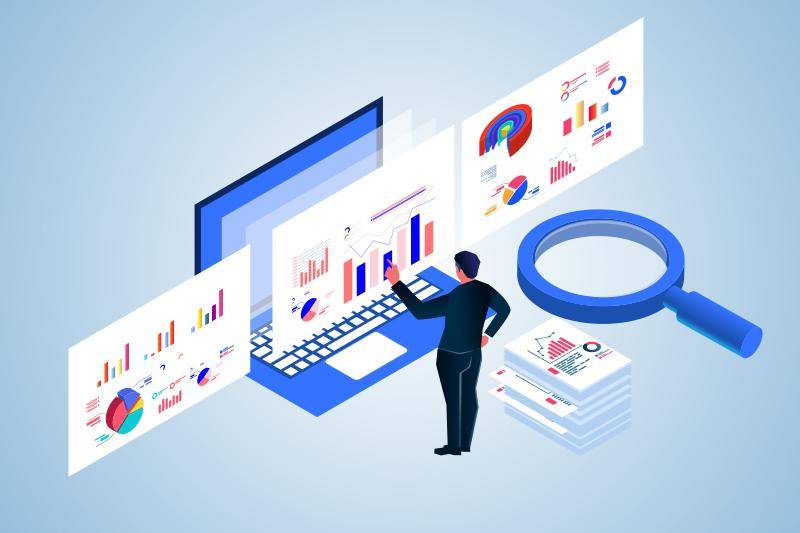
Data, AI, and strategy are reshaping business. Learn which skills employers need most and how professionals can stay ahead of the gap.
Rapid shifts in technology and evolving markets are widening a critical workforce skills gap across modern organizations. Leaders are expected to interpret data, understand artificial intelligence, and adapt strategy in real time, yet many lack the integrated capabilities to do so effectively.
As a result, aspiring and current business leaders must take action to develop these skills in structured pathways, such as through MBA programs online. Workforce-ready coursework aligns technical knowledge and data-based insight with execution to help leaders build MBA skills that prepare them to participate successfully in the future of work as we know it.
Why the Business Skills Gap Is Getting Harder to Ignore
Organizations are generating more data than ever, yet many leaders struggle to translate it into action. At the same time, AI is transforming the data-driven decision-making process and intensifying competition at an unprecedented pace. As the demand for data analytics powered by AI and machine learning increases, gaps in data fluency and technological awareness become more visible risks. Business leaders who lack skills in these areas risk limiting growth, slowing innovation, and weakening long-term resilience across industries.
The Three Capabilities Employers Need Most
To stay competitive, organizations must prioritize analytical thinking and technological awareness, as well as adaptive strategy. These capabilities enable leaders to make informed decisions, collaborate across disciplines, and respond quickly to change. Together, they form the foundation of modern business effectiveness.
Data Literacy for Better Decisions
Data literacy is no longer optional for business leaders. Business analytics involves understanding how to interpret data, question assumptions, and translate insights into action. Leaders who are comfortable working with data can identify trends and make evidence-based decisions.
Knowledge of data science for business also improves communication with technical teams, ensuring insights are applied effectively and aligned with organizational goals.
AI Awareness Without Needing to Be a Technical Expert
With AI adoption in business becoming increasingly embedded in operations, leaders must understand its potential and limitations. AI awareness means recognizing where tools can enhance decision-making and create a competitive advantage.
AI in business strategy does not require coding expertise, but it does demand informed judgment. Leaders who grasp AI concepts develop better cross-functional collaboration skills for working with data analytics teams. This includes asking better questions, managing risks, and ensuring ethical, effective implementation across functions with solid data governance and quality.
Strategic Agility in a Fast-Changing Market
Strategic agility is the ability to adapt quickly while maintaining a clear sense of direction. In volatile markets, leaders must use effective change management skills to continuously respond to emerging opportunities and pivot when necessary. Agile ways of working involve balancing long-term vision with short-term responsiveness. Agile thinkers are better equipped to navigate uncertainty, align teams, and sustain growth, even as external conditions and competitive pressures evolve.
Where the Skills Gap Shows Up Across Business Functions
The business digital transformation skills gap is not confined to a single department; it cuts across core functions, affecting how organizations operate, compete, and grow. As data and AI transform every area, gaps in capability become more visible in day-to-day decisions and long-term planning. The impact is especially clear in the following key functions.
Finance, Operations, and Supply Chain
In finance and operations, the gap often appears in the ability to use data for forecasting and demand planning, cost control, and risk management. Supply chain teams face increasing complexity, but they may lack the analytical tools or skills to optimize performance in real time. Without proper systems thinking, decisions can become reactive, which leads to inefficiencies and reduced resilience in the face of challenges.
Marketing, Sales, and Customer Experience
Customer-facing functions rely heavily on data to understand behavior, personalize messaging, and measure impact. However, many teams struggle to connect insights across channels or leverage AI-driven tools effectively. This limits their ability to target the right audiences and adapt to shifting preferences.
Human Resources and Talent Strategy
Human resources teams are increasingly expected to use data to guide hiring, retention, and skills-based workforce planning. Yet, many lack the analytical confidence or tools to turn workforce data into an actionable strategy. This can lead to misaligned talent decisions and difficulty addressing skill shortages. Strategic agility also enables HR teams to anticipate future capability needs, which enhances organizational adaptation and long-term performance.
What Happens When Organizations Do Not Close the Gap
When the skills gap persists, decision-making slows and opportunities are missed. Teams rely on instinct rather than data-driven insight, while competitors leverage AI and data science for businesses. Over time, organizations may fall behind in markets that reward adaptability and informed execution.
How an MBA Helps Build the Skills Businesses Need
An MBA program is designed to close critical capability gaps by combining technical knowledge with business leadership development. Through structured coursework, real-world projects, and collaborative learning, professionals gain the tools to navigate complexity and drive results.
The following areas highlight how an MBA builds the competencies employers increasingly expect in the workforce.
Analytics and Business Problem-Solving
MBA programs strengthen analytical thinking by teaching students to interpret data and make evidence-based decisions. Coursework often integrates statistics, modeling, and real-world case analysis, training students to connect data insights to business outcomes. This approach builds confidence in tackling complex challenges and improves the ability to turn information into practical, results-driven solutions.
AI Awareness and Responsible Technology Leadership
MBA students are introduced to the strategic implications of AI. They primarily focus on conceptual application rather than technical development, learning how businesses use AI and analytics tools (like Power BI and Tableau) to inform decisions and create value across industries.
Equally important, MBA programs emphasize ethical considerations, risk management, and governance with respect to AI use. This helps prepare leaders to implement technology responsibly while balancing innovation with accountability and organizational trust.
Strategy, Communication, and Cross-Functional Leadership
In addition to technical skills, MBA programs emphasize strategic thinking and effective communication skills for leaders. Through experiential coursework, students learn to evaluate competitive environments, align initiatives with long-term goals, and adapt plans as conditions change. Collaborative projects strengthen cross-functional leadership, helping individuals work across departments and perspectives. These experiences help develop the ability to lead teams and execute strategy with clarity and cohesion.
Real-World Examples of the Skills Gap in Action
The business skills gap becomes most visible when organizations attempt to apply data, AI, and strategy to real-world challenges. Across industries, limitations in capability can reduce accuracy and weaken outcomes. The following examples illustrate how these gaps play out in practice and why closing them has become a priority.
Example 1: Retail Demand Forecasting and Inventory Planning
Retailers often collect vast amounts of sales and customer data but struggle to translate this information into accurate demand forecasts. Without strong data literacy and analytical tools, inventory decisions rely on outdated patterns or intuition. This leads to overstocking or stockouts, both of which erode profitability. Limited integration of AI prevents real-time adjustments that could improve responsiveness and align supply with shifting consumer demand.
Example 2: Healthcare Workforce Planning
Healthcare organizations face constant pressure to align staffing with patient needs, yet many lack the analytical capabilities to forecast demand effectively. Data-driven workforce planning can help prevent hospitals from understaffing or overstaffing critical roles. Gaps in strategic agility also make it harder to respond to sudden changes, such as public health crises. Ultimately, the skills gap negatively impacts patient care quality, risks employee burnout, and hinders operational efficiency across the system.
Example 3: Global Manufacturing and Supply Chain Visibility
Manufacturers operating across regions depend on real-time visibility into supply chains, but fragmented data systems often limit insight. When leaders lack the skills to integrate and interpret this data, disruptions can go undetected until they escalate.
Example 4: Financial Services and AI-Assisted Analysis
Financial institutions increasingly use AI to enhance risk assessment and investment analysis, yet many professionals lack the understanding to apply these tools effectively. A lack of AI awareness can lead to flawed decisions, missed opportunities, or unmanaged risks. These risks highlight the need for leaders who can critically evaluate and responsibly integrate AI-driven insights.
Example 5: Talent Strategy in a Global Business Environment
Global organizations must align talent strategy with evolving business needs, but a lack of data and strategic insight often limits effectiveness. With clear visibility into workforce capabilities and future requirements, companies can recruit and retain the right talent.
How Professionals Can Start Closing Their Own Skills Gaps
Closing the skills gap for leadership positions and business analytics careers starts with a deliberate focus on continuous learning and practical application. Professionals can:
- Build data literacy through hands-on analysis
- Develop AI awareness by exploring real business use cases
- Strengthen strategic thinking skills by engaging in cross-functional projects
Seeking feedback, staying informed on industry trends, and pursuing structured education, such as professional certifications or an MBA, can accelerate career growth and position professionals to adapt more readily in an evolving business landscape.
Choosing the Right Next Step for Long-Term Career Growth
The widening skills gap highlights a clear need for data literacy, AI awareness, and strategic agility in modern business environments. Professionals who invest in these capabilities are better positioned to lead and adapt while avoiding falling into the gap. The online MBA program at Wayne State College offers a practical path to developing these skills and supporting sustained, long-term career growth. To learn more, we welcome you to explore our School of Business and Technology, contact graduate admissions, request more information, or apply today.
FAQs: Skills Gap in Business
What is the business skills gap today?
The business skills gap refers to the growing difference between the skills employers need and the skills many professionals currently possess. Today, that gap includes skills in analytics, AI awareness, strategic thinking, and cross-functional communication.
Why is data literacy important for business leaders?
Data literacy helps leaders interpret reports, question assumptions, and make stronger decisions. It also allows them to work more effectively with analysts and technical teams across organizations.
Do business leaders need to know how to build AI tools?
No, most leaders do not need to build AI tools themselves. They do need to understand what AI can do, what it can't do, where it creates risk, and how to guide responsible adoption in their organizations.
How does an MBA help with analytics and strategy?
An MBA can help professionals build analytical thinking, decision-making, and business strategy skills through applied coursework and cross-functional projects. It can also strengthen communication and leadership for fast-changing business environments.
Which industries are most affected by the skills gap?
The business skills gap impacts nearly every industry, including finance, healthcare, retail, manufacturing, logistics, and technology. The impact is strongest in roles that rely on data, digital tools, and strategic decision-making.
Is strategic agility really a skill employers look for?
Yes. Employers increasingly want leaders who can adapt to change, evaluate uncertainty, and make thoughtful decisions in fast-moving environments. Strategic agility is especially important in leadership and management roles.
Sources
- https://www.wsc.edu/mba
- https://www.fortunebusinessinsights.com/data-analytics-market-108882
- https://www.edweek.org/teaching-learning/we-asked-executives-what-skills-young-workers-are-missing-heres-what-they-said/2025/12
- https://www.ibm.com/think/topics/artificial-intelligence-business
- https://www.bcg.com/publications/2025/strategies-tackle-ai-skills-gap
- https://www.weforum.org/stories/2026/01/how-ai-will-affect-work-in-different-industries/